
Water Softener or Water Filter? Choosing for Your GTA Home
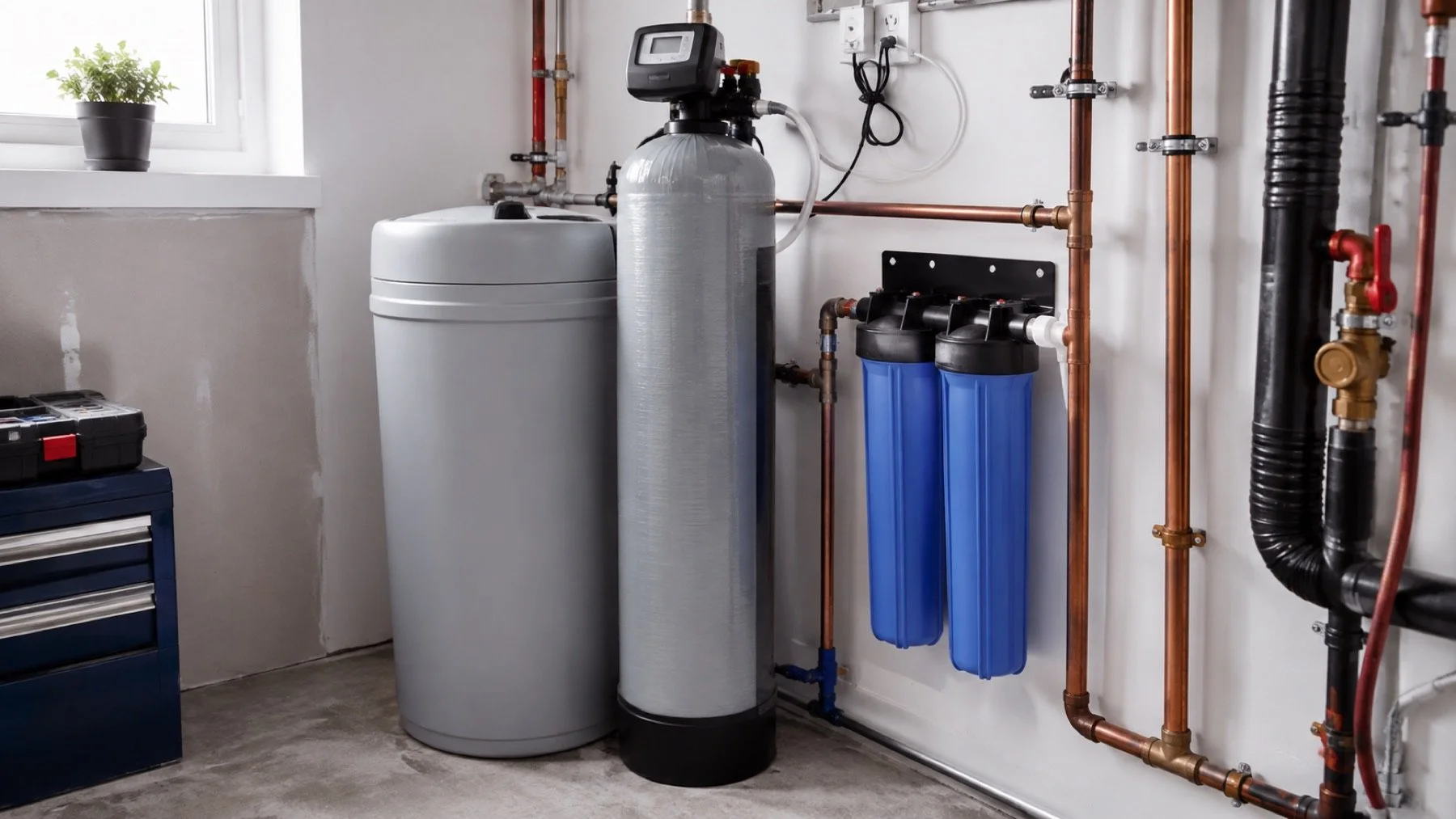
A water softener and a water filter address different concerns. Start with the result you need: less hardness scale, a change in taste or a treatment for a specific tested contaminant. Seal Plumbing includes filtration and softening in its residential plumbing services. Choosing the equipment should follow the water concern and the home's installation needs.
You may need one device, a combination or no additional treatment. A neighbour's system is not enough evidence for your purchase, particularly across the GTA's different water supplies. Establish where your water comes from and what you want to change before comparing product packages.
Answer three questions about the water first
What is your source?
Identify the municipal supplier or private supply serving your home. For municipal water, start with the supplier's current water quality information. For a private supply, obtain advice about appropriate testing. Keep any existing treatment equipment in the description because a sample taken after treatment represents a different point in the system.
Health Canada's treatment guidance says that water from a community system meeting Canadian guidelines usually does not need extra treatment for health reasons. It recommends matching any device to the individual situation and maintaining it according to its instructions.
What problem can you actually describe?
Separate an observation from its assumed cause. Mineral deposits on fixtures, an objection to taste and a laboratory result are different starting points. Note where the concern occurs and whether it involves hot water, cold water or both. Avoid buying a device based only on a broad claim such as cleaner water.
For example, a homeowner wanting less scale should ask about measured hardness and the equipment's softening function. Someone concerned about a particular contaminant needs a device with a verified claim for that contaminant. One purchase should not be presented as answering both questions without evidence.
Where do you need the result?
Decide whether the concern is limited to drinking water at the kitchen sink or applies to water used throughout the house. That distinction affects equipment location and the extent of the plumbing work. Treating every outlet may create maintenance and installation needs that are unnecessary for a narrow taste preference.
Include the household's actual use in the discussion. The installer needs to know which fixtures and appliances will be served. A system selected without considering that use can leave you comparing equipment on cabinet size or brand reputation rather than the intended job.
Compare the function, not the broad product label
Conventional ion exchange softeners reduce hardness by addressing calcium and magnesium. Filtration is a broader category: a filter's value depends on what its media and certified performance are designed to reduce. A device called a whole home filter does not automatically perform the job of a softener.
NSF's treatment standards explanation distinguishes aesthetic claims, specified health related reduction claims and softener performance. Check the actual model's certification and listed claims. A certification mark should not be interpreted as protection against every possible contaminant.
| Your concern | Evidence to bring | Question for the supplier |
|---|---|---|
| Hardness and scale | Relevant hardness information and the affected fixtures | What softening function is provided and how is it sized? |
| Taste or odour preference | Where and when you notice it, plus source information | Which specific aesthetic claim does the model support? |
| A tested contaminant | The laboratory result and sampling location | Is this exact model certified for the required reduction? |
| Unclear marketing promise | The model number and performance data | What measurable result is being offered? |
Use this comparison to request a precise recommendation. If the supplier cannot explain the relationship between your concern and the device's function, resolve that gap before accepting the installation proposal. Adding more stages is not, by itself, evidence of a better fit.
Read the maintenance requirements before the purchase
Ask what consumables the system uses, how their replacement is determined and where they are available. Keep the model number specific. A generic annual maintenance allowance tells you less than a list of the actual cartridges, salt or other service needs for the selected equipment.
Find out how you will know service is due. The manual may describe time, usage or performance based requirements. Do not assume a device continues meeting its claim indefinitely because water still passes through it. Ask who handles routine maintenance and what the owner can safely do.
If you are replacing an existing system, explain why. A lack of replacement parts, an unresolved water concern and a leaking connection lead to different conversations. Keep the old model information and any test results so the proposed replacement can be evaluated against the original problem.
Make room to service the equipment
Measure more than the empty floor space. Ask how a cartridge housing opens, how a tank is serviced and how the equipment can be isolated. A unit fitted tightly behind storage may be difficult to maintain even when it technically fits in the room.
Show the installer nearby appliances, shelves and the path used to bring equipment into the house. Discuss the location of any required drain or power connection using the selected model's instructions. Those requirements should be included in the proposal rather than discovered after delivery.
Review the plumbing layout with the treatment scope
Identify which branches will receive treated water and which will remain outside the system. Ask the installer to explain the proposed connection points and isolation arrangement. This is especially useful when the home has an outdoor water branch or several mechanical systems in the same area.
Ask how the installation will be tested for leaks and how the equipment will be commissioned. If the treatment addresses a measured concern, discuss what follow up evidence is appropriate. A functioning valve and an illuminated display do not independently establish the water quality result.
Confirm access within Seal's GTA service areas and describe the supply type when arranging the visit. A photo of the water entry and existing equipment can help explain the installation, but it does not replace the water information needed to select treatment.
Can a softener replace a drinking water filter?
Only compare devices by the job they are designed and verified to do. Ordinary softening addresses hardness. If you need reduction of a specific contaminant or a taste concern, check the appropriate performance claim separately.
Should every GTA home have a whole home system?
No single recommendation fits every supply and household. Start with your water source, the concern and where treatment is needed. A limited installation or no additional equipment may suit the evidence better.
Define the treatment result before choosing equipment
Discuss filtration or softening with Seal Plumbing using your water source, available results and the outcome you want. Add the existing equipment details and the space available for service. The resulting proposal should name the treatment function, the selected model and the maintenance responsibility clearly enough for you to judge whether it solves your actual concern.