
Suspect a Hidden Water Leak? What to Check Before a Plumbing Visit
A damp ceiling, recurring cabinet puddle or unexplained change in water use can justify water leak detection. Before opening a wall, work out what you can safely observe: where the water appears, when it appears and which fixtures were running. Those details help distinguish a supply leak from drainage trouble or water entering the building.
Seal Plumbing lists leak diagnosis among its Service & Repairs services. For a GTA homeowner, the useful first step is a focused description of the problem. You do not need to identify the failed fitting before arranging a visit.
Deal with active water before investigating its route
If water is actively escaping, stop using the affected fixture. Close its known, accessible supply valve only if you can reach and operate it safely. A spreading leak can require the main shutoff. Do not force a seized valve or enter standing water to reach a control.
Water beside electrical equipment or a swollen ceiling changes the response. Keep people away from the affected area and arrange urgent help. Do not puncture a ceiling to see what comes out. A photograph taken from a safe position is useful; a close inspection that puts you under damaged material is not.
Record the first wet place, then look at the timing
The place where a stain appears may be some distance from the source. Water can travel along a pipe or building surface before becoming visible. Describe the stain's location without labelling the nearest fixture as the cause. For example, “ceiling below the upstairs bathroom, wet after shower use” gives the plumber more to investigate than “the shower pipe is broken.”
Take a wider photo that shows the room and a closer one showing the wet area. Note the date, whether the mark is growing and whether the surface dries between episodes. If you already have older photos, keep them together. Avoid repeatedly running water just to reproduce damage.
Moisture after fixture use
A drip that follows sink, bath or shower use gives the visit a different starting point from water that appears while the home is unoccupied. Tell the plumber whether it follows filling, draining or normal use. Around a shower, include whether water lands outside the enclosure. The supply, drain and enclosure can require different checks.
Moisture after rain or during humid weather
If the wet area appears after rain, say so even when a pipe is nearby. If droplets form over a cold exposed pipe, describe that pattern too. A plumbing visit may identify a leak, or it may show that another building issue needs attention. Do not cover the area or replace finishes before the source has been assessed.
Use water records as context, not a location detector
A higher bill deserves a check of the billing period and recorded use. Compare it with a similar period and consider changes such as visitors, irrigation or a running toilet. A total by itself cannot show which pipe is leaking, and a small intermittent leak may not produce an obvious change in the bill.
Toronto's water meter information links to MyWaterToronto, which lets account holders review usage over different periods. Keep the relevant dates with your symptom notes. Households outside Toronto should use their own water provider's records.
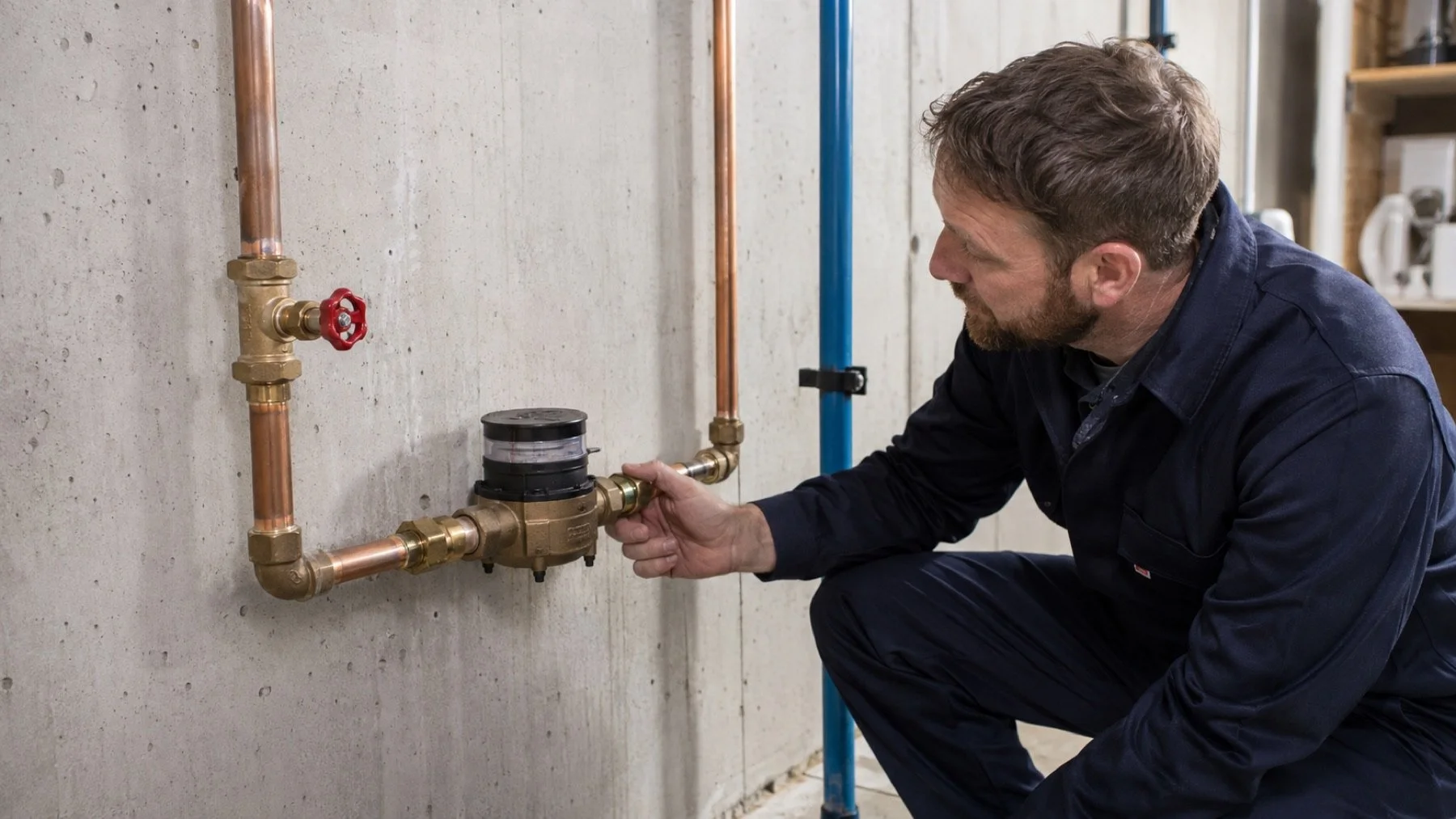
If you can read the meter safely, tell the plumber what you observed while fixtures and water using appliances were off. Include equipment that may operate automatically, such as irrigation or treatment equipment. Leave the meter and its connections intact. A meter observation is one piece of the investigation, not permission to dismantle the service entry.
Separate a silent toilet leak from a wet building surface
A toilet can lose water into its bowl without leaving a puddle. This matters when the complaint is increased use rather than visible damage. The EPA's household leak checks include comparing meter readings over two hours with no water use and checking a toilet with a few drops of food colouring in the tank. Colour appearing in the bowl after ten minutes indicates leakage. Flush promptly afterwards to avoid staining.
Only try the toilet check when the tank is safely accessible and the fixture is otherwise working normally. Keep the result specific: identify which toilet you checked and whether colour reached its bowl. Do not assume that a positive result explains a separate ceiling stain. More than one water problem can be present, and the visible damage still needs its own investigation.
For a meter comparison, record both readings and the time of each. Ask everyone in the household to avoid water use during the interval. If a dishwasher starts or someone flushes, record the interruption rather than presenting the readings as a controlled check. Where a meter serves several units, a single resident cannot establish that the whole building used no water.
Decide what an alarm would add after the repair
Leak detection equipment is worth discussing once the source is understood. Ask what the proposed device measures, where it must be installed and how you receive an alert. A device that notices water in one cabinet answers a different question from equipment monitoring water flow. Ask whether the proposal includes automatic shutoff or notification only, and how the chosen equipment is tested and maintained.
Bring the discussion back to the failure you experienced. For a leak behind a washing machine, ask how the chosen arrangement would detect another escape there. For unexplained continuous consumption, ask what flow pattern the equipment would flag. Keep any product recommendation separate from the immediate repair estimate so you can assess its usefulness without delaying work on an active leak.
Give access a purpose before opening finishes
Ask which test will help narrow the source and what result would justify opening a wall or ceiling. A useful investigation moves from the available observations to a targeted check. The tool should fit the question. Do not assume a drain camera can inspect a pressurized supply pipe or that every hidden leak can be located without access work.
Clear the cabinet or mechanical space the plumber needs to see, while keeping wet or damaged areas undisturbed where practical. In a condo, notify management about access to shared systems and any water affecting another unit. Confirm who can authorize a shutdown before the appointment.
Agree on what the investigation will deliver before access work begins. Ask for the suspected source, the evidence used to identify it, the repair scope and any area that remains untested. If the leak is intermittent and cannot be reproduced safely, the report should say that. An inconclusive visit should leave you with a specific next observation or test, rather than an unsupported assurance that the pipework is sound.
After repair, ask the plumber which conditions were checked: standing supply pressure, fixture operation, draining or another relevant condition. Keep the repair photograph and test notes with the original symptom record. A stain may remain after the water source is corrected, so compare new moisture or growth with the earlier photos. Discuss drying and finish restoration separately with the appropriate provider before closing the affected surface.
Check Seal's service area coverage, then send the leak observations with your address. Include whether the water is still active, what you have isolated, and any access restriction. That gives the visit a clear starting point and helps separate diagnosis, repair and finish restoration in the proposed work.