
Grease Interceptor Maintenance: What Toronto Restaurants Need to Record
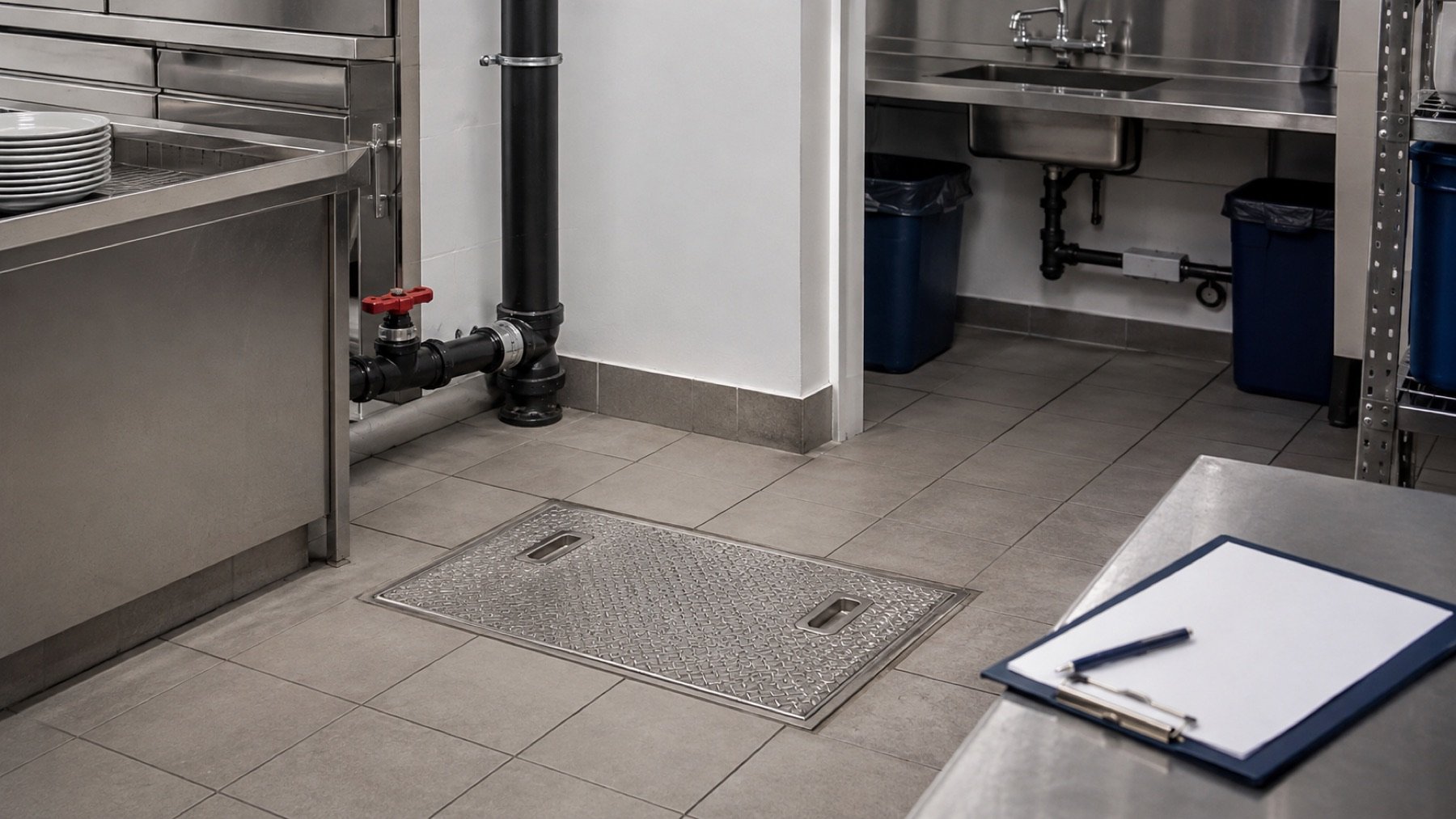
A Toronto restaurant's grease interceptor maintenance record should connect three things: the device serviced, the work completed and the waste disposal record. A booking in a calendar does not show what was removed or whether a defect still needs repair. Keep the information together so a manager can answer those questions without reconstructing several visits.
Seal Plumbing's commercial plumbing work includes restaurant systems and ongoing maintenance. Plumbing repair and grease waste handling can involve different providers. Establish who is responsible for each before assigning the next service.
Put the device identity at the front of the file
Begin with the interceptor's location, type and available manufacturer information. A kitchen can contain equipment that staff describe using the same informal name even though it has different maintenance needs. Record the model or identification plate where accessible, without opening equipment simply to complete a form.
Give each device a location staff can recognize, such as the prep sink cabinet or the identified service room. Add a photograph of the accessible exterior and any access restrictions. When a contractor's invoice arrives, that device reference helps you tell whether the visit covered the intended equipment.
Keep the manual with the records. The manufacturer's information helps identify the unit and its servicing needs, while the applicable municipal requirements establish the local obligations. If the type is uncertain, resolve that uncertainty with the service provider before treating a previous calendar interval as correct.
Check Toronto's requirements against the actual device
The City's grease interceptor maintenance guidance sets different servicing rules by device. For a hydromechanical interceptor, service is required every four weeks, before combined grease and solids reach 25 percent of liquid volume, or before fats, oils and grease exceed the rated capacity, whichever occurs first, unless the City permits a different frequency. Keep servicing and disposal records on site for at least seven years.
The same guidance limits when an establishment may service its own interceptor. Other operations need a Ministry approved waste carrier. Confirm which route applies rather than assigning cleaning to kitchen staff by default. Do not use chemicals or other agents to push grease through the interceptor.
These requirements should be checked against the current City guidance and your specific equipment. A busy kitchen, a menu change or an additional connected fixture is a reason to discuss loading with the responsible provider. It is not a reason to extend a required service interval without the applicable approval.
Make the record show what happened after the appointment
Use one folder or digital record for the device, with a place for the service document, disposal evidence and unresolved repair items. A manager should be able to find the most recent completed service without confusing it with the next booking confirmation.
A practical internal note might read: “Prep area interceptor: service document received and filed; cover seal concern referred for plumbing assessment; disposal record requested from carrier; manager to confirm follow up.” This is an example of how to track an open issue, not a sample compliance certificate or evidence of work performed at your restaurant.
| Record owner | Question to resolve |
|---|---|
| Restaurant manager | Are the completed service documents filed against the correct device? |
| Waste service provider | Is the waste collection and disposal documentation complete? |
| Plumbing contractor | Has a reported connection, cover or component defect been assessed? |
Keep those responsibilities explicit if one company coordinates several services. Ask which work it actually performs and which documents come from another provider. A plumbing invoice should not be treated as proof of waste transport unless it documents that service through the appropriate provider.
Review each service document while the visit is still recent
Before filing an invoice, compare its device description with your equipment list. If it says only “grease service,” ask the provider to identify the unit covered. If the invoice lists a repair recommendation, copy that recommendation into the restaurant's maintenance list with an assigned person. A document can show that a visit occurred while still leaving an important equipment question unanswered.
Use a short review routine: confirm the service date, identify the equipment, read the work description, locate the disposal evidence and record the next action. This is an internal management check, not a substitute for the City's required records. The purpose is to catch omissions while the provider can readily clarify them, rather than discovering a missing document when an inspector or new manager asks for it.
If your restaurant changes waste carriers, retain the earlier provider's records with the device history. Ask the incoming provider to review the equipment information and open issues before the first visit. Do not discard earlier documents because a new service contract has started. Keep the booking calendar separate from this history so a cancelled appointment cannot be mistaken for completed maintenance.
Plan kitchen access around the equipment that needs service
Before confirming an appointment, identify what must be moved to reach the interceptor and who will move it. A prep station, stored containers or a locked service room can make access harder than the equipment photograph suggests. Ask the provider how much working space is required and which connected fixtures must stay out of use during the work. Give the kitchen supervisor that instruction before the service starts.
For leased premises, establish whether the restaurant or building manager authorizes repairs to the relevant piping. Send a photograph and the provider's defect note to the responsible person rather than relying on an informal description passed between shifts. Keep the repair request open until the person carrying out the work confirms the result and any remaining limitation.
At the next manager handover, review three dates separately: the last completed service, the next required service and the planned repair of any outstanding defect. Those dates answer different operational questions. If a repair is postponed, ask the responsible provider how that affects use of the connected equipment. Do not quietly shift the routine servicing appointment to match the repair visit.
Carry defects into the repair list
If servicing reveals a damaged component, difficult access or a leaking connection, assign a follow up rather than letting the observation disappear into an invoice. Include the location and the provider's wording. Ask what needs repair, whether the kitchen can continue normal operation and what shutdown is required.
Do not diagnose an interceptor solely from a slow sink or an odour complaint. Report the symptom, recent servicing and any affected fixtures. The plumber can assess the relevant drainage and connections while the waste provider addresses its own scope.
Toronto requires disposal records to identify the company, date, waste type and measured quantity. Its guidance also lists equipment condition, estimated grease and solids level, servicing frequency and disposal location among the information a professional service invoice should provide. Compare the actual documents with those fields before marking the service file complete.
A receipt saying “tank emptied” with no disposal quantity is a reason to request the disposal record, not to estimate litres from tank capacity. The amount transported and the unit's rated capacity answer different questions. Keep the carrier's measured quantity and units as supplied. If records disagree on which interceptor was serviced, resolve the device identity before using them to set the next appointment.
Check Seal's GTA service coverage for your restaurant, then request an assessment of the identified plumbing defect. Send the device location and the latest service note. Keep the waste carrier's appointment and the repair appointment separately visible until both pieces of work have their own completion records.