
What Does a Plumbing Inspection Include? A GTA Homeowner's Guide
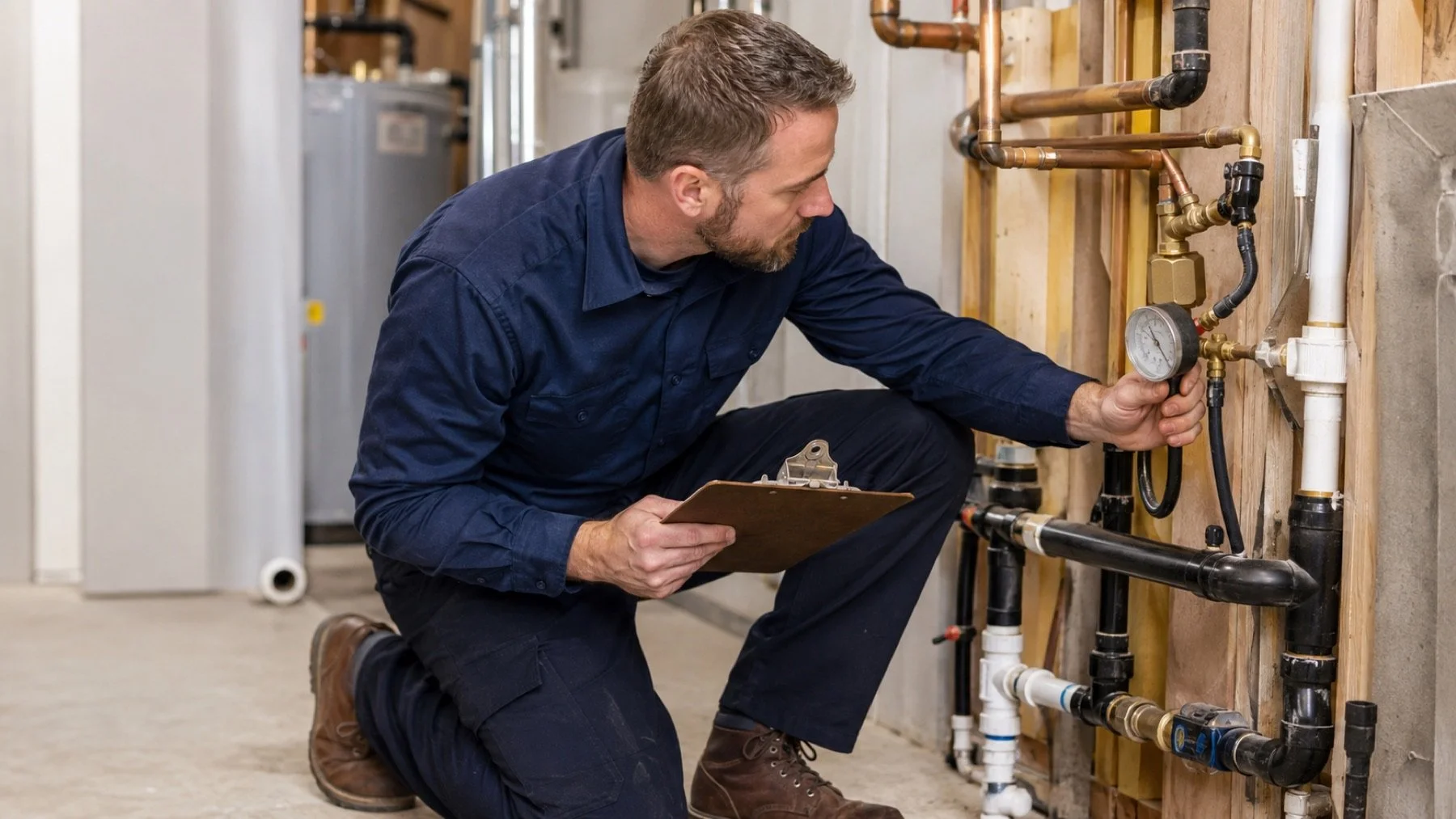
A plumbing inspection gives you a clearer picture of the pipes, fixtures, drains and controls that serve a property. It helps you decide what needs attention now, what can be planned, and whether a repair or renovation needs a closer diagnostic step.
Seal Plumbing handles leak diagnosis, drain service, camera inspections and fixture or valve replacement across the Greater Toronto Area. This guide explains what a useful inspection should cover and how to turn the findings into a practical plan.
Start with the decision you need to make
The word inspection can describe several different services. A homeowner preparing for a renovation needs different information than a buyer reviewing an older property or someone investigating a recurring drain backup. Define the decision first so the plumber can focus the visit.
| Reason for the visit | Useful focus |
|---|---|
| Buying or selling a home | Visible pipe condition, shutoffs, fixture operation, drainage clues and material concerns |
| Planning a renovation | Existing supply, drains, vents, fixture locations, access and work that may require permits |
| Investigating a problem | The affected system, the likely source, diagnostic options and a repair plan |
| Reducing basement flood risk | Backwater valve, sump equipment, alarms and the relevant drainage connections |
If you are planning a larger project, review the inspection alongside Seal Plumbing's residential plumbing services. The inspection should help define the work. It should not become a generic checklist that ignores your property.
A visual inspection should follow the path of the water
Supply pipes, shutoffs and visible connections
The plumber should identify the visible water service entry, main shutoff and accessible branch lines. They can look for corrosion, staining, unsupported piping, worn valves, poor connections and signs of previous repairs. The goal is to document what can be seen and flag areas that deserve testing or access.
Pipe material matters in older homes. Health Canada notes that older service lines, solder and fittings can contribute lead to drinking water. Its guidance recommends asking the municipality or water utility about the service line and using proper testing when lead is a concern. An inspection can identify visible material clues, but a visual opinion does not replace a laboratory water test. See Health Canada's lead in drinking water guidance.
Fixtures, drains and operating clues
Run the accessible faucets, showers and toilets. Watch how quickly each fixture drains, check for movement at the base of toilets, inspect the cabinets below sinks, and look for moisture near supply stops and traps. A slow drain in one fixture suggests a different problem than several fixtures backing up together.
The inspection should also note accessible floor drains, cleanouts, sump equipment and sewage ejectors where present. If you want to see the range of residential and commercial work Seal Plumbing completes, the project gallery provides real examples of finished fixtures, rough ins and exposed systems.
Special tools should answer a specific question
When a drain camera adds value
A drain camera can show an accessible pipe interior and help locate a blockage, damage or an unexpected connection. It makes sense when there is a recurring backup, a history of drain trouble, concern about an older building sewer, or a renovation that depends on the existing route. A camera is not automatically necessary for every inspection.
Ask what portion of the system the camera can reach, what the plumber observed, and whether the footage or still images will be provided. The result should lead to a clear next step, such as cleaning, monitoring, repair, more access or no action.
Pressure checks and targeted testing
Low flow at one tap can come from the fixture itself. Low performance across the property can point to a wider supply issue. A plumber may check static and operating pressure when the symptoms justify it, then separate fixture problems from service, valve, piping or booster pump concerns.
Testing should be scoped before it begins. Ask what question the test will answer and how the result will change the repair or renovation plan.
GTA homes need local context, not a universal score
Permits and code depend on the work that follows
An inspection itself does not approve future construction. Ontario's Building Code sets requirements for construction and renovation, while municipal building departments handle enforcement. The province advises homeowners to contact their municipality when they are unsure whether planned work needs a permit. Review the current Ontario Building Code information before work begins.
Plumber is a compulsory trade in Ontario. Skilled Trades Ontario states that a person practising the trade must hold an accepted qualification or training status and appear in the public register, subject to limited exemptions. You can review the official plumber trade requirements and verify qualifications through the public register.
Basement flood planning needs its own scope
Toronto's Basement Flooding Protection Subsidy Program now includes a one time home plumbing assessment. As of May 2026, the City states that eligible owners can receive up to 80 percent of the invoiced cost, to a maximum of $500, for that assessment. The program uses a specific form and eligibility process, so confirm the current rules before booking work for a subsidy claim.
The City's assessment form addresses an existing backwater valve, valve performance, flood alarms, storm sewer connections and recommendations. That is a focused basement flooding assessment, not a complete substitute for every other type of plumbing review. Read the current Toronto program details.
Prepare for a more useful inspection
- Write down the symptoms, their frequency and which fixtures are affected.
- Gather renovation drawings, previous invoices, inspection reports and available permit records.
- Clear safe access to the main shutoff, water meter, mechanical area, sump equipment and problem fixtures.
- Ask whether the scope includes written findings, photos, camera footage or repair options.
- Separate urgent defects from planned upgrades and items that only need monitoring.
Seal Plumbing serves communities across the region. Check the GTA service areas before requesting a visit, then explain the property type and the decision the inspection needs to support.
Use the findings to build a repair or renovation plan
A good inspection ends with priorities, not a pile of observations. Ask the plumber to separate active leaks or failed components from preventive work, renovation dependencies and optional improvements. You should understand the reason for each recommendation and what happens if you defer it.
When a finding leads to work, request a clear scope. It should name the affected system, the proposed repair or installation, access requirements, testing, cleanup, and any permit or inspection responsibility that applies.
Plumbing inspection FAQs
How long does a plumbing inspection take?
The time depends on the property size, access and purpose of the visit. A focused problem diagnosis may be brief, while a renovation review or inspection of an older home can require more time and targeted testing. Confirm the scope before the appointment.
Should I get a plumbing inspection before buying a home?
A plumbing inspection can add useful detail when the general home inspection identifies concerns, the property has older piping, drains show problems, or you plan major renovations. Ask the plumber to focus on the decisions that could affect your purchase or project budget.
Does a plumbing inspection include a drain camera?
Not automatically. A camera inspection is a separate diagnostic step that makes sense when symptoms, property history or the planned work create a reason to inspect an accessible drain or building sewer from the inside.
Can a plumber tell whether my pipes contain lead?
A plumber can identify visible material clues and help you locate the water service entry. Confirming lead exposure may require municipal records and proper water testing. Health Canada recommends contacting your municipality or water utility when a lead service line is a concern.
Will I need a permit for repairs found during the inspection?
Permit requirements depend on the work. Routine service and larger alterations do not follow one universal rule. Ask the plumber about the proposed scope and confirm current requirements with the municipality before construction begins.
Plan the inspection around your property
Tell Seal Plumbing whether you are buying, renovating or investigating a specific problem. The team can define the right scope, explain the findings and outline practical next steps.